

E-Invoicing in 2026: Does Your Business Have to Comply? A Quick Self-Check
If you run a growing business, you have probably heard some version of this: "The e-invoicing limit has been lowered again, and now small businesses have to comply." It is a worrying thing to hear, and it is spreading fast on social media and in vendor marketing.
Here is the short, accurate answer. The turnover limit for GST e-invoicing has not been cut again in 2026. It has been ₹5 crore since 1 August 2023. What is changing is the scope of e-invoicing, meaning which transactions it covers, and that is a bigger deal for some businesses than a limit change would be.
This article helps you work out, in about five minutes, whether e-invoicing applies to you, and what to do about the changes arriving in January 2027.

First, what is e-invoicing?
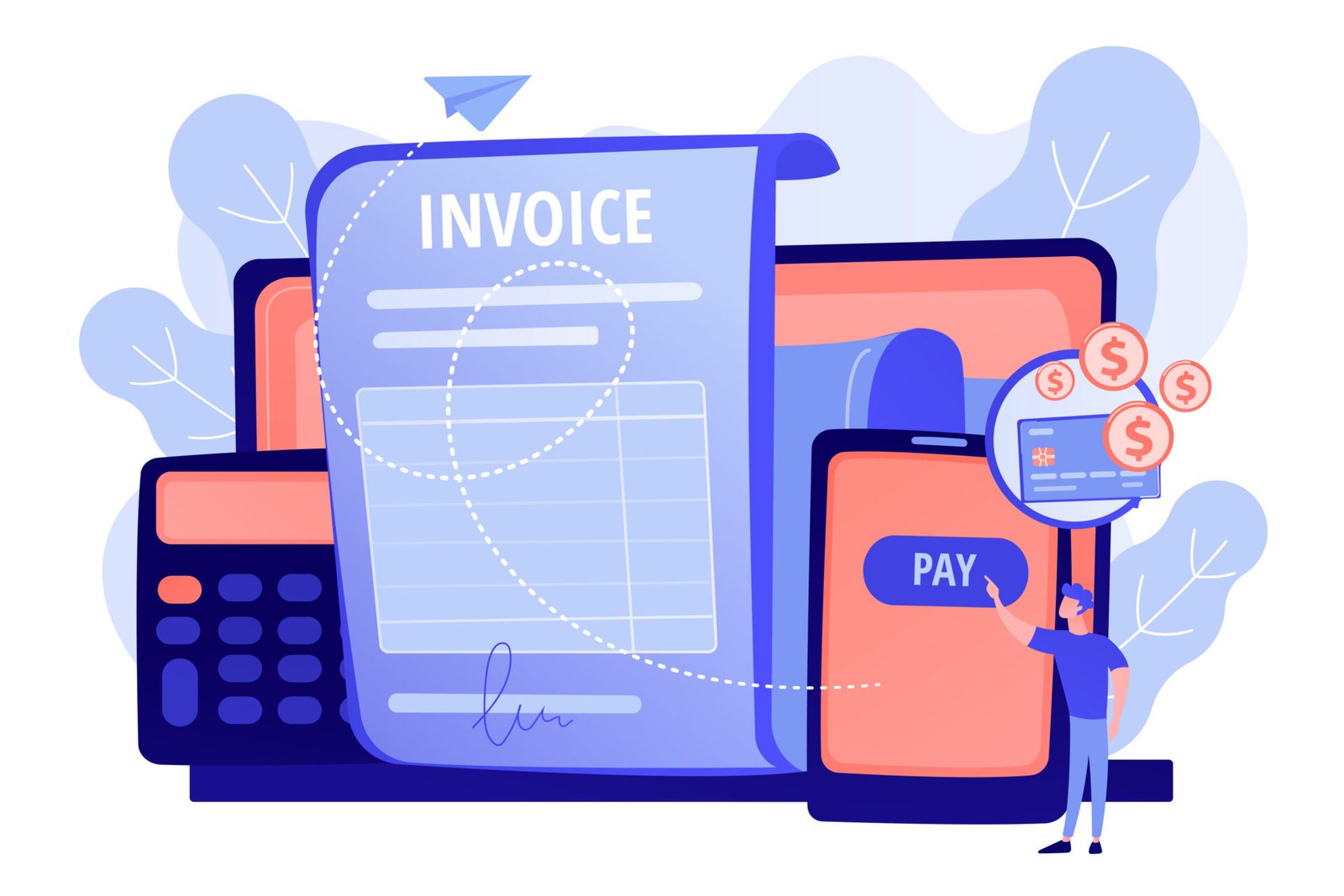
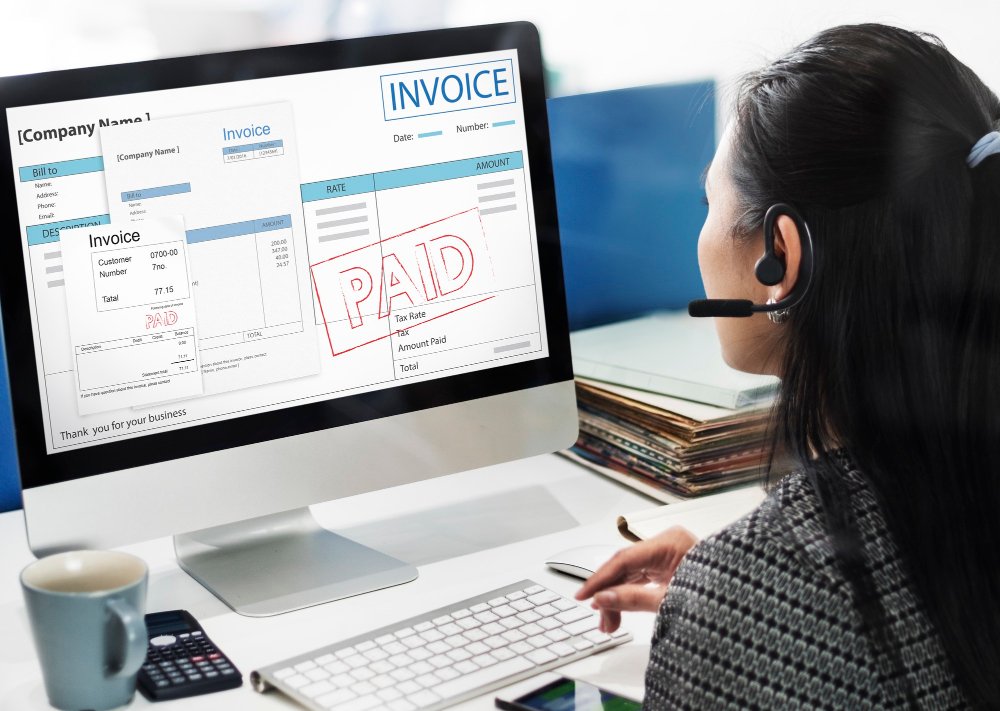
E-invoicing doesn't mean emailing a PDF invoice. Under GST, a business covered by the rule must report its specified invoices, credit notes and debit notes to the government's Invoice Registration Portal (IRP). The portal validates the data and returns an Invoice Reference Number (IRN) and a QR code. Without an IRN, the invoice is not a valid e-invoice for GST purposes.
It applies to business-to-business supplies, exports and certain other categories. It generally does not apply to sales to ordinary consumers (B2C).
The 5-minute self-check
Work through these questions in order.
Question 1: Has your aggregate turnover crossed ₹5 crore in any financial year since 2017-18?
The test looks at any year from 2017-18 onward, not just last year. If the answer is yes, e-invoicing is likely to apply to you, subject to the exclusions in question 4.
Question 2: Did you test turnover on a PAN basis?
Turnover is counted across all GSTINs held under the same PAN, not one GSTIN at a time. A business with three branches registered separately may find each looks small, while the combined figure is well over the limit. This is the most commonly missed check.
Question 3: Did you cross the limit in an earlier year and later fall below it?
Once a business becomes covered, it generally stays covered even if turnover drops in later years. Don't assume a bad year frees you from the requirement.
Question 4: Are you in an excluded category?
Certain categories of taxpayers are excluded from e-invoicing under the notification. Check your category against the current list before concluding either way. Examples that commonly come up include some financial sector entities, insurers, banks and certain others. Don't rely on memory here. Read the notification or ask a professional.
Question 5: Are you borderline, at exactly ₹5 crore?
Some headlines say "₹5 crore and above" while the operative notification speaks of turnover "exceeding" ₹5 crore. If your turnover sits right at the line, go by the notification text, not the headline.
How to read your result
| Your situation | What it likely means |
|---|---|
| Crossed ₹5 crore (PAN-wise) in any year since 2017-18, and not excluded | E-invoicing applies to you for covered documents |
| Below ₹5 crore in every year, PAN-wise | E-invoicing is not mandatory yet, but build readiness as you grow |
| Near the limit | Track turnover monthly so you are not caught by surprise |
| Not sure about exclusions | Get a professional view before the next invoice run |

What is actually changing in 2026
The 57th GST Council meeting on 8 October 2026 recommended widening e-invoicing to cover certain inward supplies. Here is how it was reported afterward:
- RCMDOM: recipient-generated self-invoices for specified domestic supplies from unregistered persons, where the registered recipient pays GST under reverse charge.
- RCMIMP: the same idea for imports of services, where the recipient pays under reverse charge.
GSTN has introduced these two supply types, and the sandbox is reported to be live on the authorised IRPs. The expanded scope is reported to take effect from 1 January 2027. Imports of goods are not part of it.
In plain terms: if you are already covered by e-invoicing and you buy specified services from overseas, or make specified purchases from unregistered suppliers under reverse charge, you may soon need to put your own self-invoices through the IRP as well. If you are not covered by e-invoicing, none of this changes for you.
Not every purchase from an unregistered supplier attracts reverse charge, so review your purchase ledger carefully before drawing conclusions.
Two "30-day" rules that people mix up
There are two separate 30-day requirements, and they are often confused:
- Self-invoice issuance: for covered reverse charge transactions, the self-invoice must be issued within 30 days of receiving the goods or services.
- IRP reporting window: for taxpayers with turnover of ₹10 crore and above, e-invoices must be reported within 30 days of the invoice date. After that, the portal will not generate an IRN.
They come from different provisions and run from different starting points. Track them separately.
What happens if you don't comply?
An invoice that should have an IRN but doesn't can cause problems for you and for your customer. It may be treated as not a valid tax invoice, which can put your customer's input tax credit at risk and invite penalties for you. The relationship damage can be worse than the penalty. Large buyers often refuse invoices without an IRN.
What to do now: a short action list
- Calculate PAN-wise turnover for every year since 2017-18, using the notified method.
- Check exclusions against your registration category.
- List your reverse charge purchases, separating domestic supplies from unregistered suppliers and imports of services.
- Talk to your software provider. Ask whether your ERP, billing tool or GSP supports the new supply types and schema changes before 1 January 2027.
- Test in the sandbox before the new rules go live.
- Set up a monthly turnover tracker if you are close to the limit.
- Train your billing team on IRN generation, cancellation windows and amendments.
The bigger picture
E-invoicing has moved steadily from large corporations to mid-sized businesses over the past few years. The 2026 changes point in the same direction: more of your transaction trail will be visible to the system, from both sides of a transaction. Businesses that organise their data and software early find compliance routine. Those that wait often scramble when a customer rejects an invoice or the portal throws an error.
How Tensla Global Consulting can help
Not sure whether e-invoicing applies to your business? Our team can check your PAN-wise turnover history, confirm applicability and exclusions, and map your reverse charge transactions against the new requirements.
We can also coordinate with your software provider on readiness, set up a clean billing and IRN process, and train your staff so that the transition is smooth. If you would like a quick applicability check, contact Tensla Global Consulting and we will tell you where you stand.
Disclaimer: This article is for general information only and reflects reports available at the time of writing. Notifications, effective dates and portal rules can change. Please verify against the official text or consult a qualified professional before acting.